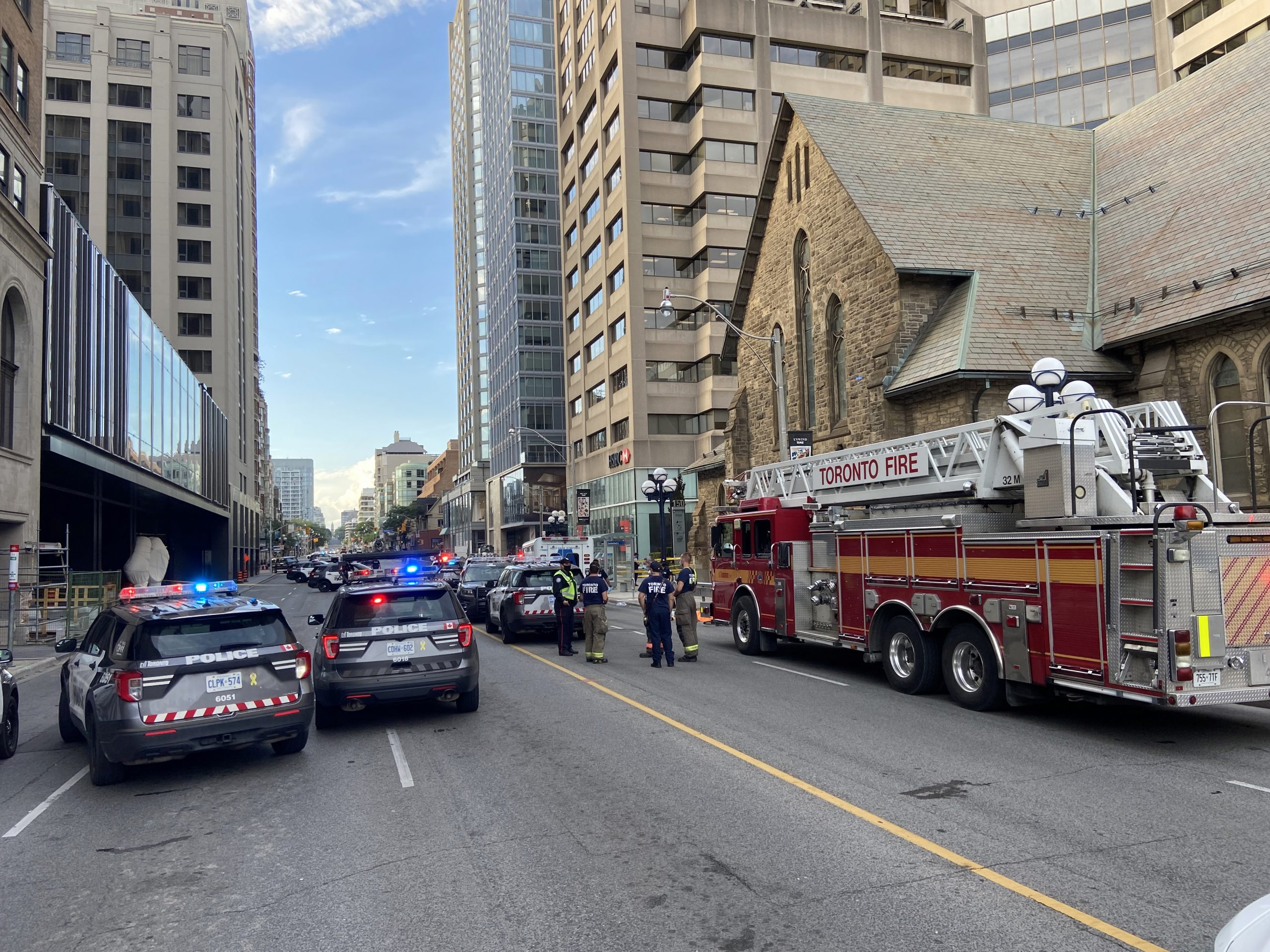
An 18-year-old man has died after being struck by a dump truck in Yorkville while on a bicycle Wednesday evening.
Officers were called to the intersection of Bloor Street and Avenue Road around 6:30 p.m.
Investigators say the cyclist and the dump truck were both travelling northbound in the curb lane on Bloor Street when the truck struck the cyclist.
The man suffered life-threatening injuries and was pronounced dead shortly after police arrived.
Toronto police Insp. Michael Williams says victim was a resident of the immediate area of University and Bloor.
The driver involved remained on the scene. Road closures were in effect for several hours, but it has since reopened.
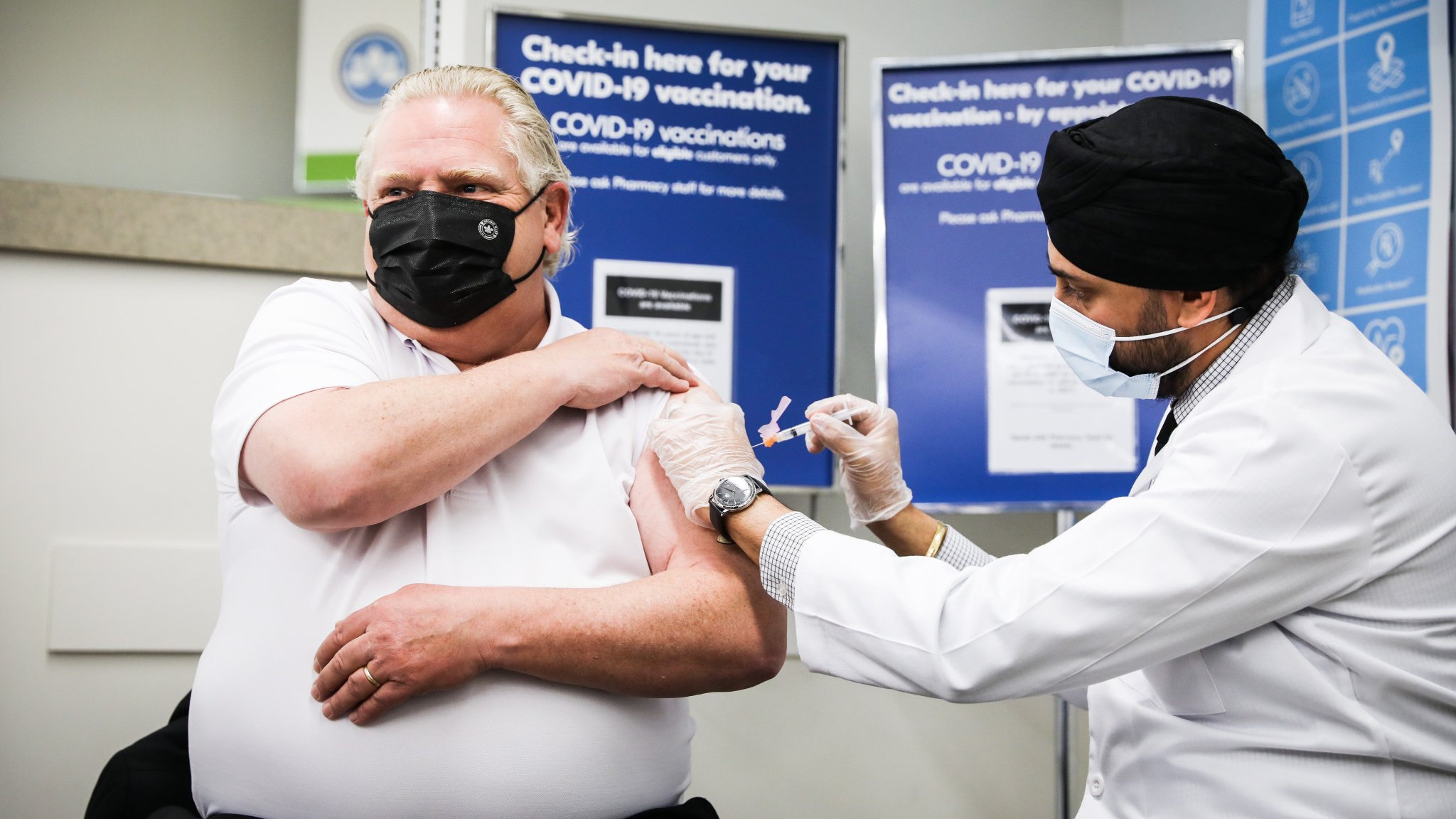
MPP Rick Nicholls and MPP Christina Mitas are the two Progressive Conservative members who could be facing expulsion from caucus for being unvaccinated against COVID-19, according to sources.
A statement provided to 680 NEWS from Premier Ford’s press secretary early Wednesday said PC caucus members could face expulsion if they are not vaccinated.
“Due to the nature of their work, which involves daily interaction with members of the public, including the most vulnerable, it is our expectation that every single PC caucus member and candidate be vaccinated,” read the statement.
Nicholls represents Chatham-Kent-Leamington whlile Mitas is the MPP for Scarborough Centre.
The Premier has not been shy about booting members from the caucus in the past for defying or disagreeing with party policy. MPP Roman Baber was the latest to get expelled this past January when he criticized the premier’s lockdown measures.
The question of MPP’s vaccination status came to light after media reports indicated that most all opposition members had been vaccinated, but few conservative MPPs had revealed their status.
On Tuesday, Ontario’s chief medical officer of health directed healthcare and education providers to undergo regular COVID-19 testing if they haven’t received a vaccine.
NDP Leader Andrea Horwath pointed out what she felt was a contradiction in Ford’s messaging.
“On the one hand PC MPP have to get vaccinated, on the other hand those working with the most vulnerable don’t have to be,” she told 680 NEWS.
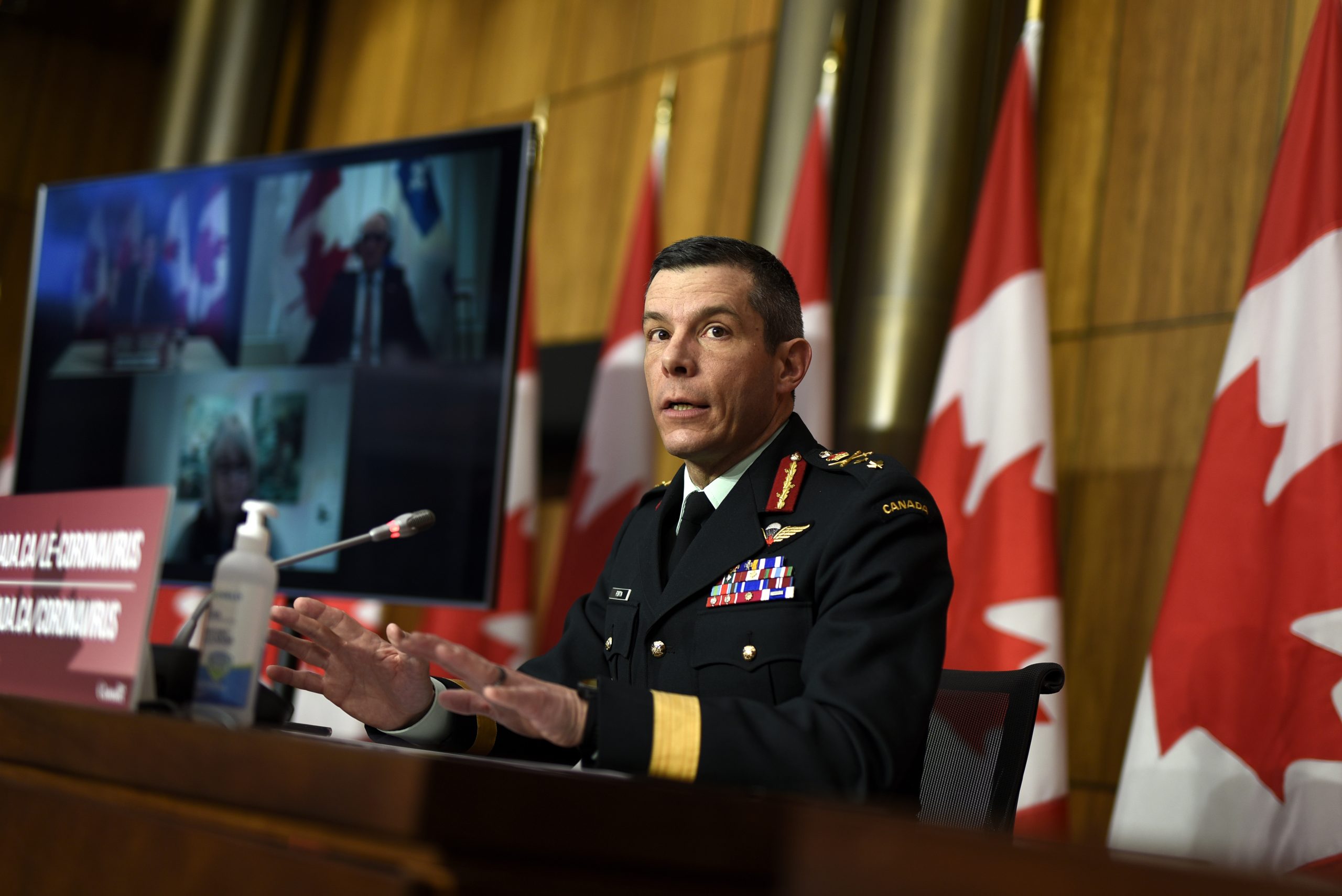
Maj. Gen. Dany Fortin is expected to be charged with one count of sexual assault in Gatineau, his lawyer has confirmed.
Fortin will release a statement once the charge has been confirmed Wednesday morning.
The former head of Canada’s COVID-19 vaccine rollout was abruptly replaced in May, five days before the Canadian Forces National Investigation Service referred a sexual misconduct investigation to the Quebec prosecution service to determine whether charges should be laid.
Fortin has denied any wrongdoing and said the allegation dates back more than 30 years.
He is also currently fighting the government in Federal Court for reinstatement to the position, alleging the decision to replace him was politically motivated and denied him due process.

Ontario will pause further reopening, start offering third COVID-19 shots to vulnerable populations, and require many health and education workers to get vaccinated against the virus or take regular tests, the government announced Tuesday.
But the province stopped short of mandating vaccines for workers in high-risk settings, drawing criticism that its new policies won’t do enough to fight a rising fourth wave driven by the extremely contagious Delta variant.
Dr. Kieran Moore, the province’s chief medical officer of health, said the latest measures were an attempt to protect the most vulnerable amid a drop in vaccine demand, the uptick in cases, and the expectation of a “difficult fall.”
“We must take assertive action to protect the health of all Ontarians,” said Moore, who has repeatedly urged residents to get vaccinated.
“The policies I am announcing today are an important link in the chain of protection that will help keep Ontario strong in the face of the fourth wave.”
Moore said reopening needs to be paused to allow time for the new policies to take effect, adding that Ontario’s vaccination rates need to be higher. Eighty one per cent residents aged 12 and older have received at least one dose of a COVID-19 vaccine and 73 per cent have both shots.
While the majority of Ontario’s recent cases have been in unvaccinated people, Moore emphasized that COVID-19 is spreading notably once more in high-risk settings like long-term care homes and hospitals, where people are especially vulnerable.
“I know what has been outlined for you today is a lot to process, but this is what we need to do to protect Ontarians,” he said.
The province will stay in Step 3 of its reopening plan for now, maintaining capacity limits on businesses, gatherings and other settings. The government previously said the vast majority of public health measures would be lifted once certain vaccine targets were met.
Transplant recipients, patients with certain cancers, and long-term care and retirement home residents will be offered third COVID-19 vaccine doses starting as early as this week.
Meanwhile, employers in health and education will need to have policies that ask staff to disclose their vaccination status, with proof of full vaccination or a documented medical exemption. Those who aren’t vaccinated will need to take an education session and be subject to regular tests.
Moore said that directive takes effect on Sept. 7, covering hospitals, ambulance services and community and home-care service providers. It will be similar to one already in place in long-term care homes, and mirrors staff policies introduced by some hospitals.
The top doctor said the directive outlines the “minimal standard” expected and employers can introduce stricter policies if they choose.
The Education Ministry is finalizing a similar vaccination policy for employees at all publicly funded school boards and licensed child care settings, Moore said. Staff who don’t get vaccinated will have to regularly take rapid COVID-19 tests.
Moore added that it would be “prudent” to require children aged 12 and older report their COVID-19 vaccination status when attending school.
There are also plans for vaccination policies in other high-risk settings like post-secondary institutions, retirement homes, congregate group homes, children’s treatment centres, women’s shelters and institutional foster homes, Moore said.
Premier Doug Ford has said he is opposed to mandatory vaccination policies because he believes people have a constitutional right not to take the vaccine, though he has personally been fully vaccinated.
Opposition politicians criticized the government as taking “half-measures” rather than fully mandating vaccinations for high-risk frontline jobs.
“No unvaccinated person should be providing health care to our most vulnerable, no unvaccinated person should be in a classroom with our kids,” said NDP Leader Andrea Horwath. “It’s completely unbelievable that the premier and the government don’t see this as a priority.”
Horwath, who previously advocated for a similar vaccine-or-get-tested policy before reversing her position, said there should be “zero tolerance” for dishonesty about vaccination status or COVID-19 symptoms at work.
Liberal Leader Steven Del Duca, who also called Tuesday for mandatory vaccination of all legislators, accused Ford of “pandering to anti-vaxxers.”
“A mandatory vaccination disclosure and mandatory testing simply isn’t the same thing as mandatory vaccination,” he said.
The Ontario Long-Term Care Association also called for mandatory vaccinations for all direct care providers.
Other observers said the new policies indicated some progress.
The Ontario School Board Association called the planned policy for educators a “positive step” towards ensuring schools stay safe and open, while the Ontario Hospital Association said it was “pleased” to see the government lay out basic requirements for vaccination policies.
Doris Grinspun, head of the Registered Nurses’ Association of Ontario, said the policies come too close to the start of the school year to be wholly effective, but they’d eventually help boost vaccination rates.
The province also announced it will expand eligibility for the Pfizer-BioNTech vaccine to children born in 2009, who will turn 12 this year. Children born later than 2009 aren’t eligible to receive any COVID-19 vaccines in Canada.
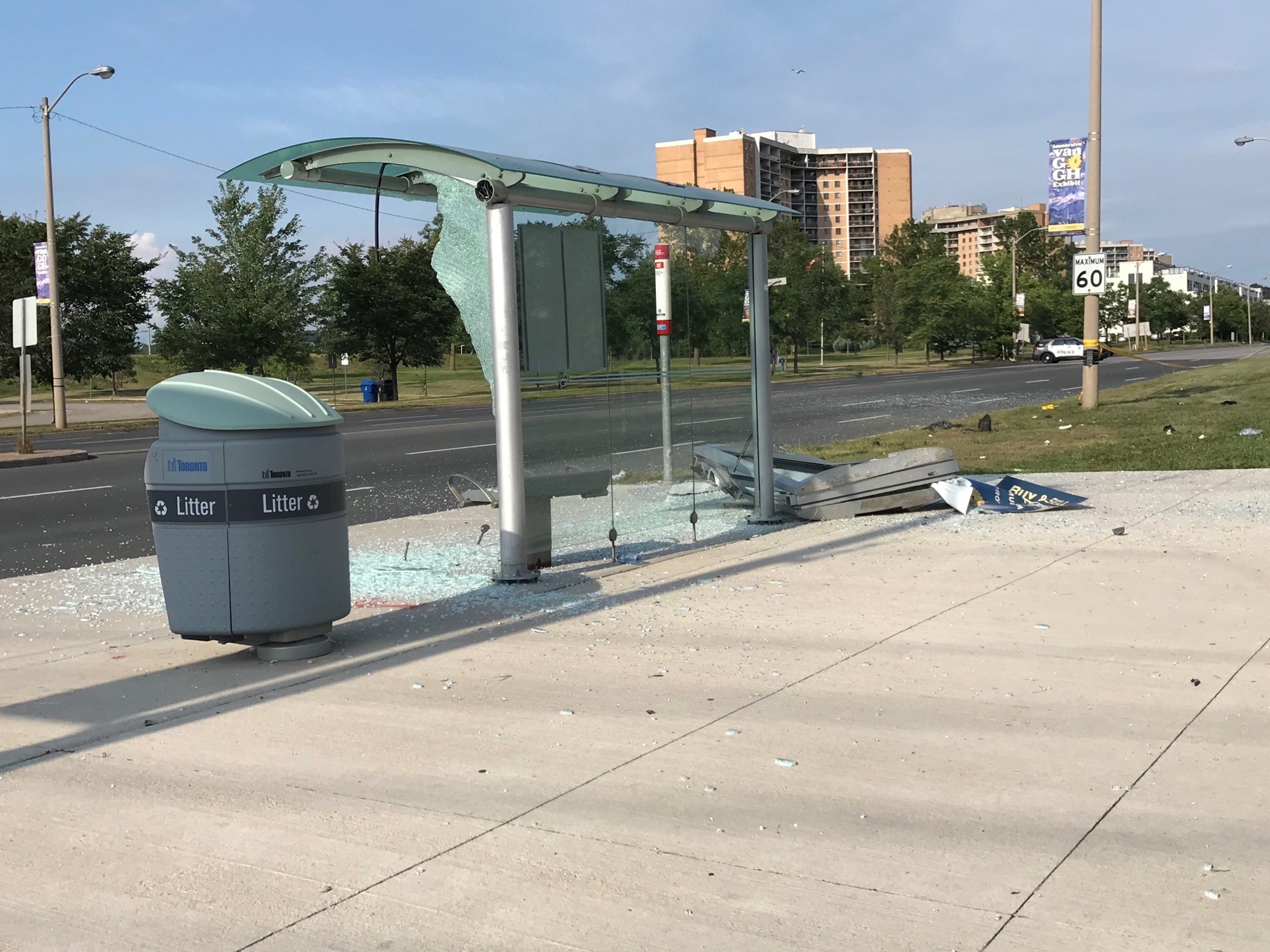
A man in his 70s has been rushed to hospital after being struck by a vehicle while standing in an Etobicoke bus shelter.
Officers were called to Martin Grove Road and Eglinton Avenue just after 3 p.m. for reports of a car crashing into a bus shelter.
Police say the driver was attempting to make a turn at the intersection and lost control of the vehicle, crashing into the shelter and hitting the pedestrian.
The driver involved then fled the scene.
The vehicle was later found abandoned in a parking lot on Warrender Avenue with extensive damage to the front end. The driver has not been located.
A witness, the superintendent of the building where the vehicle was located, said he spotted the suspect head up to the second floor of the building and came back down in different clothing. The suspect then got into an Uber and left the area, leaving the vehicle behind.
The victim suffered life-threatening injuries and was taken to a trauma centre via an emergency run.
A heavy police presence is expected in the area and road closures are in effect.
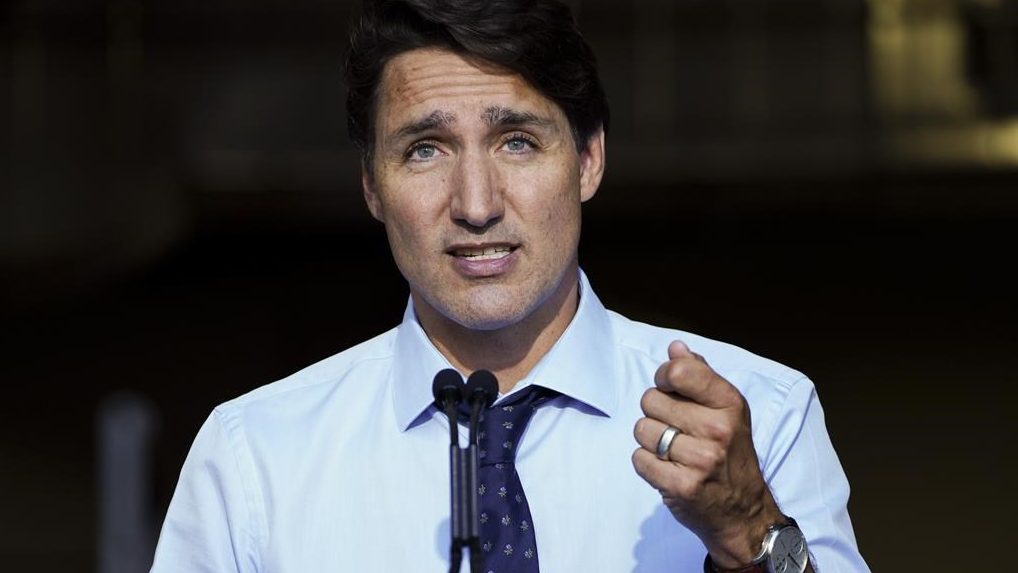
New survey results suggest Justin Trudeau’s Liberals were clinging to a five-point lead on the eve of the federal election campaign.
Thirty-five per cent of decided voters who took part expressed support for the Liberals, 30 per cent for the Conservatives and 20 per cent the NDP.
Seven per cent would vote for the Bloc Québécois, which is fielding candidates only in Quebec, while five per cent supported the Greens and two per cent the People’s Party of Canada.
The online survey of 2,007 Canadians, conducted Aug. 13 to 15 by Leger in collaboration with The Canadian Press, cannot be assigned a margin of error because internet-based polls are not considered truly random samples.
Trudeau quickly framed the election that began Sunday as a referendum on the party most able to guide the country through the months and years after COVID-19 subsides.
The 36-day campaign, the shortest allowed under the election law, concludes Sept. 20.
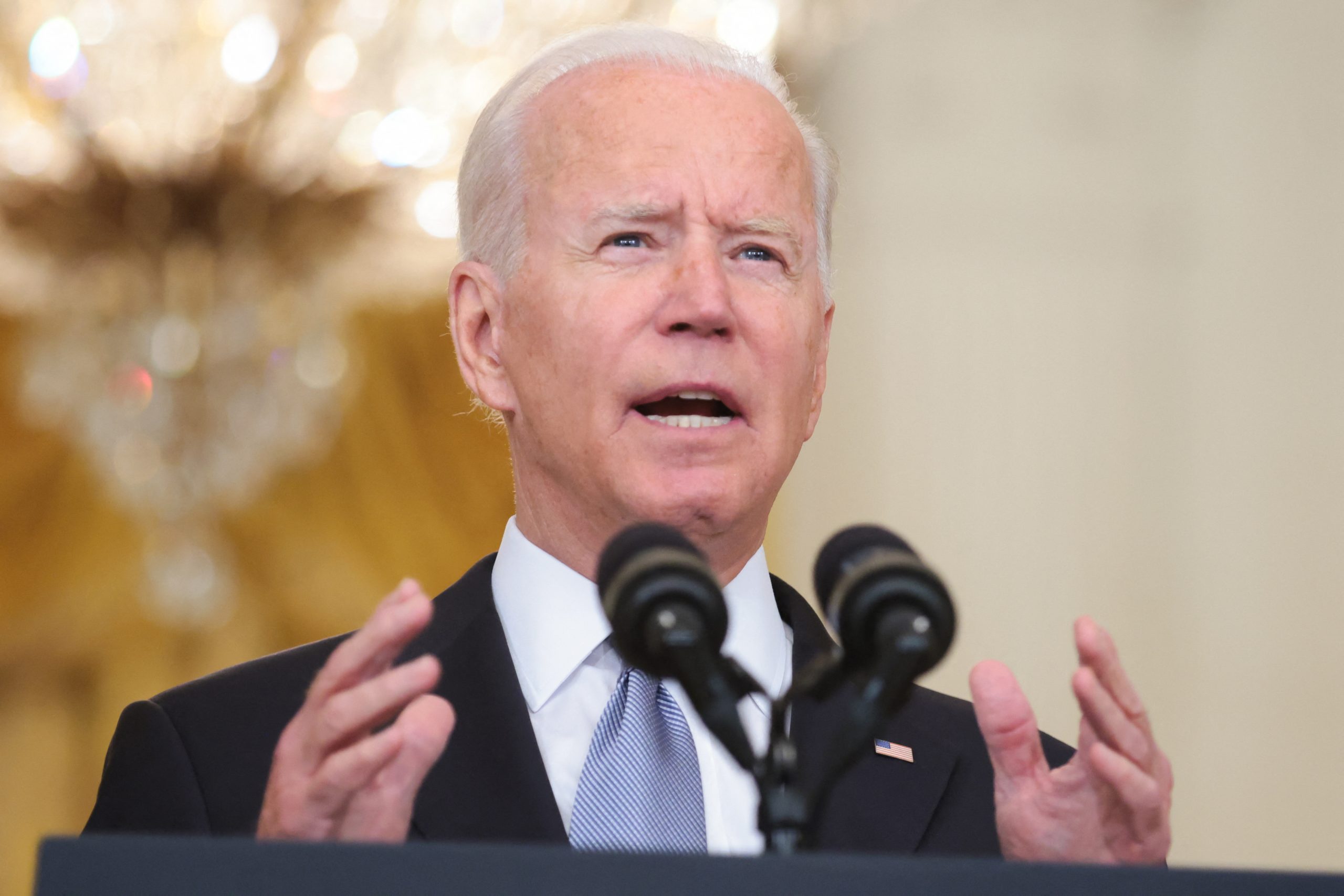
President Joe Biden said Monday that he stands “squarely behind” his decision to withdraw U.S. forces from Afghanistan and that the government’s collapse was quicker than anticipated.
Speaking about the chaotic situation in Afghanistan, Biden said Monday that he faced a choice between an agreement to withdraw U.S. forces or send thousands more U.S. troops back in for a “third decade” of war. Biden said he will not repeat the mistakes of the past.
He spoke after the planned withdrawal of American forces turned deadly at Kabul’s airport as thousands tried to flee following the Taliban’s swift takeover of the government.
Biden returned to the White House Monday afternoon from the Camp David presidential retreat ahead of his planned speech at 3:45 p.m. from the East Room. It was his first public remarks on the Afghanistan situation in nearly a week. Biden and other top U.S. officials had been stunned by the pace of the Taliban’s swift routing of the Afghan military.
Senior U.S. military officials say the chaos at the airport left seven people dead Monday, including some who fell from a departing American military transport jet. The officials spoke on condition of anonymity because they were not authorized to publicly discuss ongoing operations.
Afghans rushed onto the tarmac of the capital’s airport as thousands tried to escape after the Taliban seized power. Some clung to the side of a U.S. military plane before takeoff, in a widely shared video that captured the desperation as America’s 20-year war comes to a chaotic end.
Another video showed the Afghans falling as the plane gained altitude over Kabul. U.S. troops resorted to firing warning shots and using helicopters to clear a path for transport aircraft.
The Pentagon confirmed Monday that U.S. forces shot and killed two individuals it said were armed, as Biden ordered another battalion of troops — about 1,000 troops — to secure the airfield, which was closed to arrivals and departures for hours Monday because of civilians on the runway.
The speed of the Afghan government’s collapse and the ensuing chaos posed the most serious test of Biden as commander in chief, and he came under withering criticism from Republicans who said that he had failed.
Biden campaigned as a seasoned expert in international relations and has spent months downplaying the prospect of an ascendant Taliban while arguing that Americans of all political persuasions have tired of a 20-year war, a conflict that demonstrated the limits of money and military might to force a Western-style democracy on a society not ready or willing to embrace it.
National security adviser Jake Sullivan said Monday that the “speed with which cities fell was much greater than anyone anticipated.” He blamed the government’s fall on the Afghans themselves, telling NBC’s “Today” show that the U.S. ultimately could not give Afghan security forces the “will” to fight to defend their fledgling democracy.
“Despite the fact that we spent 20 years and tens of billions of dollars to give the best equipment, the best training and the best capacity to the Afghan security forces, we could not give them the will and they ultimately decided that they would not fight for Kabul and they would not fight for the country,” Sullivan said.
The turmoil in Afghanistan resets the focus in an unwelcome way for a president who has largely focused on a domestic agenda that includes emerging from the pandemic, winning congressional approval for trillions of dollars in infrastructure spending and protecting voting rights.
Biden remained at Camp David over the weekend, receiving regular briefings on Afghanistan and holding secure video conference calls with members of his national security team, according to senior White House officials. His administration released a single photo of the president on Sunday alone in a conference room meeting virtually with military, diplomatic and intelligence experts.
He was briefed again by his national security team on Monday before returning to Washington.
Biden is the fourth U.S. president to confront challenges in Afghanistan and has insisted he wouldn’t hand America’s longest war to his successor. But he will likely have to explain how security in Afghanistan unraveled so quickly, especially since he and others in the administration have insisted it wouldn’t happen.
“The jury is still out, but the likelihood there’s going to be the Taliban overrunning everything and owning the whole country is highly unlikely,” Biden said on July 8.
Just last week, though, administration officials warned privately that the military was crumbling, prompting Biden on Thursday to order thousands of American troops into the region to speed up evacuation plans.
Presidents Barack Obama and Donald Trump also yearned to leave Afghanistan, but ultimately stood down in the face of resistance from military leaders and other political concerns. Biden, on the other hand, has been steadfast in his refusal to change the Aug. 31 deadline, in part because of his belief that the American public is on his side.
A late July ABC News/Ipsos poll, for instance, showed 55 per cent of Americans approving of Biden’s handling of the troop withdrawal.
Most Republicans have not pushed Biden to keep troops in Afghanistan over the long term and they also supported Trump’s own push to exit the country. Still, some in the GOP stepped up their critique of Biden’s withdrawal strategy and said images from Sunday of American helicopters circling the U.S. Embassy in Kabul evoked the humiliating departure of U.S. personnel from Vietnam.
Senate Republican leader Mitch McConnell deemed the scenes of withdrawal as “the embarrassment of a superpower laid low.”
Senior administration officials believe the U.S. will be able to maintain security at the Kabul airport long enough to extricate Americans and their allies, but the fate of those unable to get to the airport was far from certain.
In the upper ranks of Biden’s staff, the rapid collapse in Afghanistan only confirmed the decision to leave: If the meltdown of the Afghan forces would come so quickly after nearly two decades of American presence, another six months or a year or two or more would not have changed anything.
Biden has argued for more than a decade that Afghanistan was a kind of purgatory for the United States. He found it to be corrupt, addicted to America’s largesse and an unreliable partner that should be made to fend for itself. His goal was to protect Americans from terrorist attacks, not building a country.
In July he said he made the decision to withdraw with “clear eyes.” His judgment was that Afghanistan would be divided in a peace agreement with the Taliban, rather than falling all at once.
“There’s going to be no circumstance where you see people being lifted off the roof of a embassy in the — of the United States from Afghanistan,” he said in July. “The likelihood there’s going to be one unified government in Afghanistan controlling the whole country is highly unlikely.”

A parent in Vaughan has been hit with hundreds in fines after they allegedly sent their child to daycare while the child was experiencing COVID-19 symptoms.
A spokesperson for York Region’s public health department says the incident occurred at a child care centre in the region on Aug. 3.
The parent has been charged $770 for non-compliance with the region’s Sec. 22 order, and an additional victim surcharge fee, for a total of $880 in fines.
The region says that 17 children at the daycare have now tested positive for the virus. One adult also has the virus, they said.
Under the Sec. 22 order, anyone who tests positive for COVID-19, or has signs or symptoms, must isolate until they receive a negative COVID-19 test. According to York Region, the child would not have passed daily COVID screening.
“If you or anyone in your household is experiencing symptoms of COVID-19, you must stay home until a negative test is received and symptoms are improving for at least 24 hours,” says the region in a statement.
“If the individual is not tested, then individuals must isolate for 10 days.”
The region says York Region Public Health inspectors have laid 18 charges for non-compliance since the order went into effect in March.
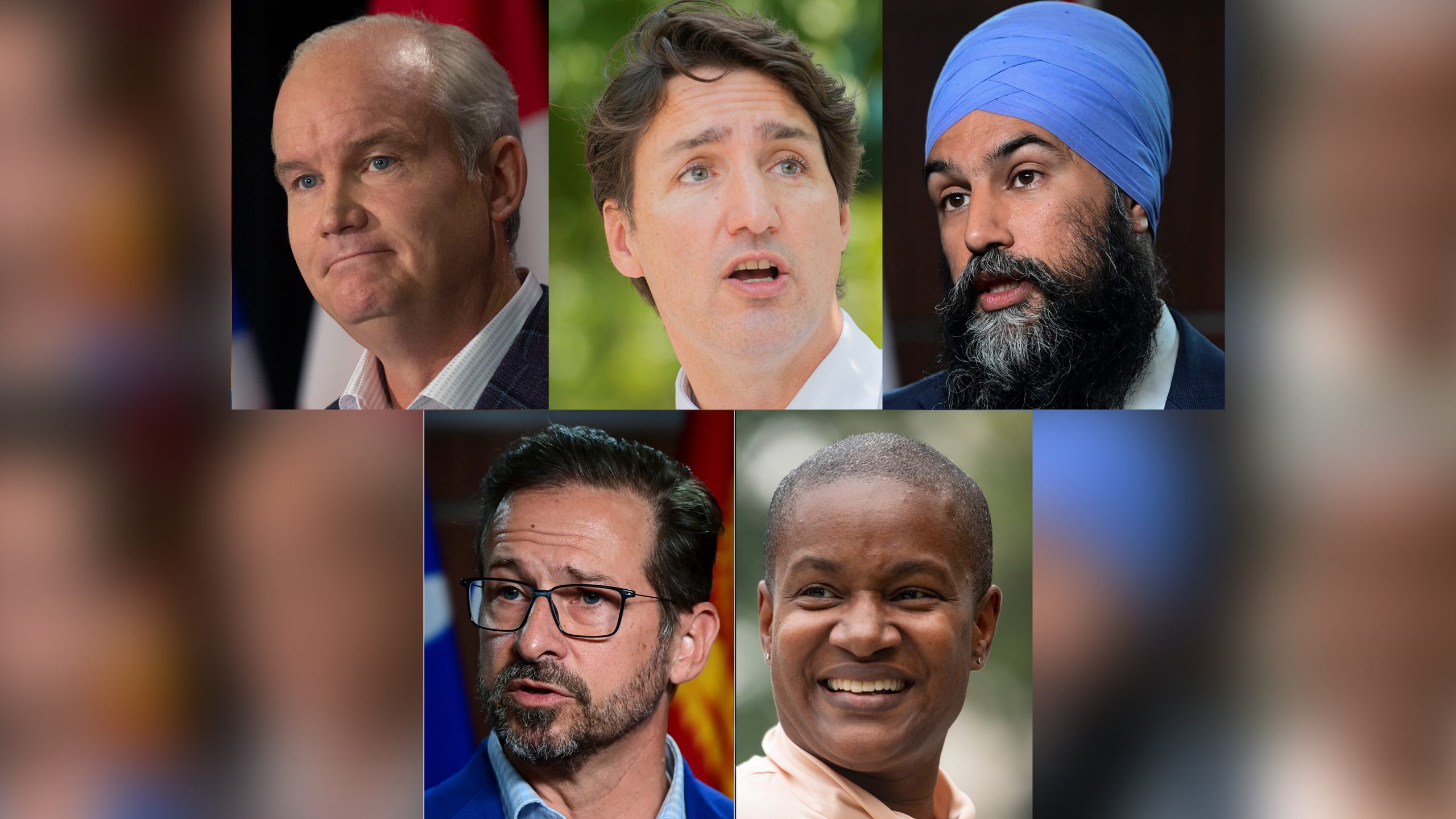
Canadians are headed to the polls after Prime Minister Justin Trudeau called a federal election for next month.
The Prime Minister arrived at Rideau Hall on Sunday morning to visit with Governor General Mary Simon, kickstarting a 36 day campaign that will culminate with a vote on September 20.
Trudeau is opting for one of the shortest election campaigns, less than two years since the Liberals were reduced to a minority government.
Speaking after meeting with Simon, Trudeau said that his government did not expect COVID-19 but it focused on supporting Canadians and small businesses throughout the pandemic, delivering the Canada Emergency Response Benefit and wage subsidy for those hard-hit by the crisis.
Canadians need to choose how the country finishes the fight against COVID-19, he said.
“In this pivotal, consequential moment, who wouldn’t want a say? Who wouldn’t want their chance to decide where our country goes from here?” Trudeau asked.
“As much as we’ve done over the past many, many months, we’ve got a lot of work ahead of us. …You deserve a say, because this is your moment.”
The Liberals have also maintained that a minority Parliament had become toxic and dysfunctional and that they need a strong majority mandate in order to implement the recovery plan.
Opposition parties dismiss these claims, pointing out that the government has not lost any confidence votes, including on its spring budget, and arguing that holding an election during a pandemic is irresponsible and dangerous.
Even so, opposition leaders have been criss-crossing the country making campaign-style announcements in recent weeks.
On Sunday, Conservative Leader Erin O’Toole accused Trudeau of risking the progress that Canada has made on COVID-19. Canadians can finally see their loved ones, friends and neighbours again, and Trudeau shouldn’t risk all their hard work for “political gains,” he said.
At the same time, the Tory leader declined to say whether he would require his candidates to be vaccinated. On the question of mandatory vaccinations in general, he said he respects Canadians’ right to make their own health choices.
He said Trudeau’s government has left too many Canadians struggling to pay the bills or cover the costs of housing, food and heating, and yet the Liberal leader is asking them to reward his party with another four years.
The Conservatives’ recovery plan will ensure the economy is firing on all cylinders and get Canada’s finances under control, O’Toole said, while securing a million new jobs and ensuring more Canadian-made medical supplies.
“Canadians deserve to know what their politicians will deliver. They deserve to know that there’s a plan, and they deserve a government that will keep its word,” O’Toole said.
“Twelve years in the military have taught me to always have a plan. Canada’s Recovery Plan will unite our country and secure the future.”
NDP Leader Jagmeet Singh launched his campaign in Montreal, criticizing Trudeau’s early election call as “selfish.”
The Liberal leader’s decision to call an election two years early, in a pandemic, shows that he doesn’t want to follow through on his promises and Canadians will pay the price, Singh said.
Singh told his supporters he’ll fight for working people to make the ultrarich and big corporations pay their fair share and to build a recovery from the pandemic that works for everyone.
Bloc Quebecois Leader Yves-Francois Blanchet added his voice to the chorus of federal leaders blasting Trudeau for the election call, describing it as very irresponsible and accusing him of acting out of personal ambition.
Green Leader Annamie Paul launched her campaign in the riding of Toronto Centre, where she is hoping to win a seat in the House of Commons. Her speech emphasized the climate crisis and the need for urgent action.
At the time of dissolution, the Liberals have 155 seats, the Conservatives 119, the Bloc Quebecois 32, the NDP 24 and the Greens two. There are also four Independents and one vacancy.
Elections Canada says it is prepared to conduct a safe election during the pandemic, with British Columbia, Saskatchewan, New Brunswick and Newfoundland and Labrador all having successfully held provincial votes in the past two years.
However, Canada’s chief electoral officer Stephane Perrault warns it may take two to five days after election day to determine winners in some tightly-contested ridings due to the sheer increase of mail-in ballots expected this time around. While the agency still expects the majority of Canadians will choose to vote in person, it anticipates upwards of five million Canadians to vote by mail, compared to fewer than 50,000 in the 2019 election.
The extra COVID protocols to safely conduct a campaign is also expected to add millions more to the election bill, which could top $610 million, or $110 million more than it cost to run the last two elections.
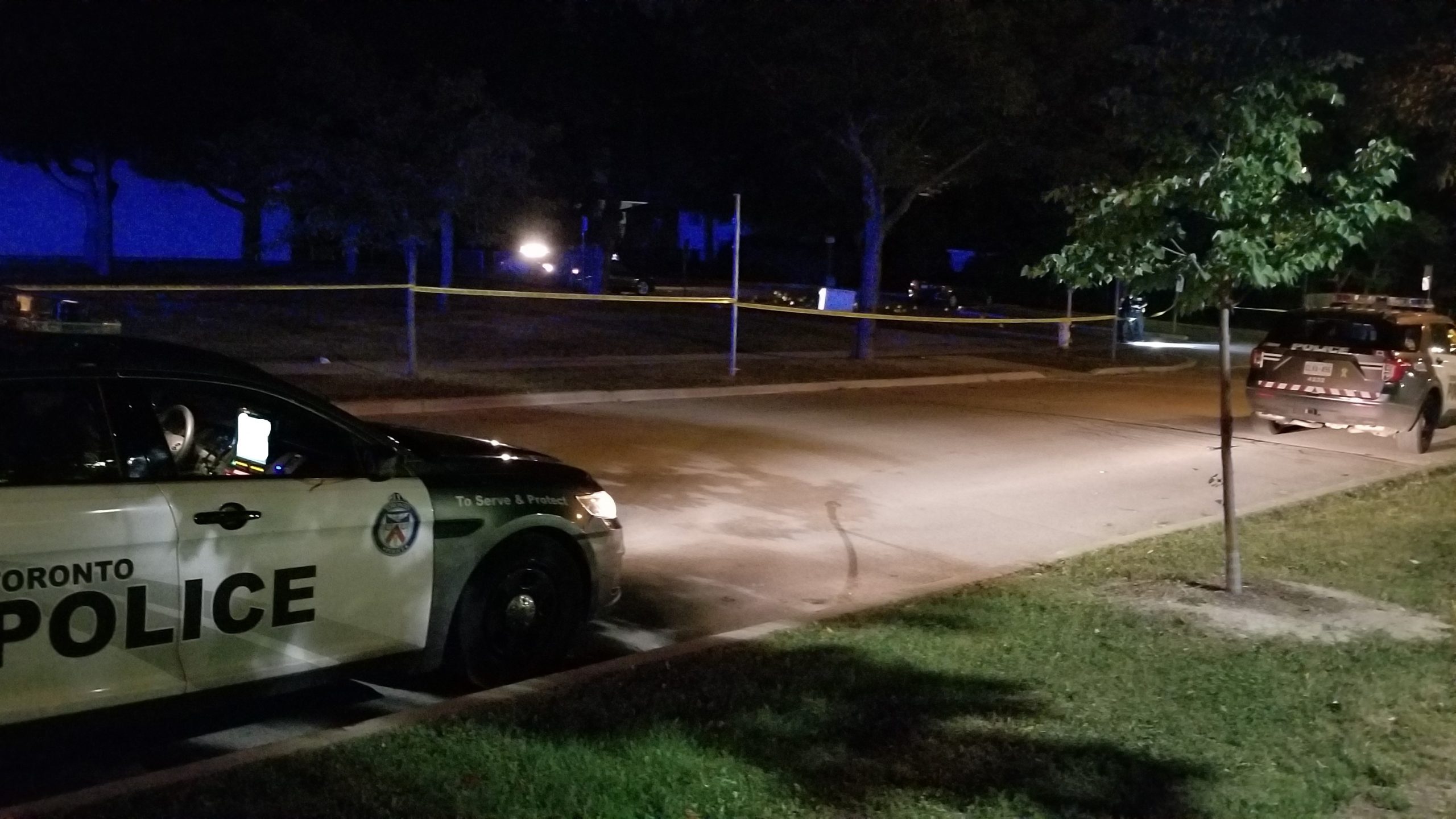
Two people are in hospital after a drive-by shooting in Scarborough overnight.
Emergency crews were called to the area of Chester Le Boulevard and Morecambe Gate, near Victoria Park and Finch avenues, just before 12:30 a.m. Monday.
According to police, both victims were sitting inside a car that was parked in a school parking lot when another vehicle pulled up and multiple shots were fired.
The vehicle then fled the scene. No description of the vehicle or the shooter has been released.
A man and woman were rushed to hospital in serious but not life-threatening condition.
Investigators are asking anyone who may have any information pertaining to the shooting, including security or dashcam footage of the area at the time, to contact police.