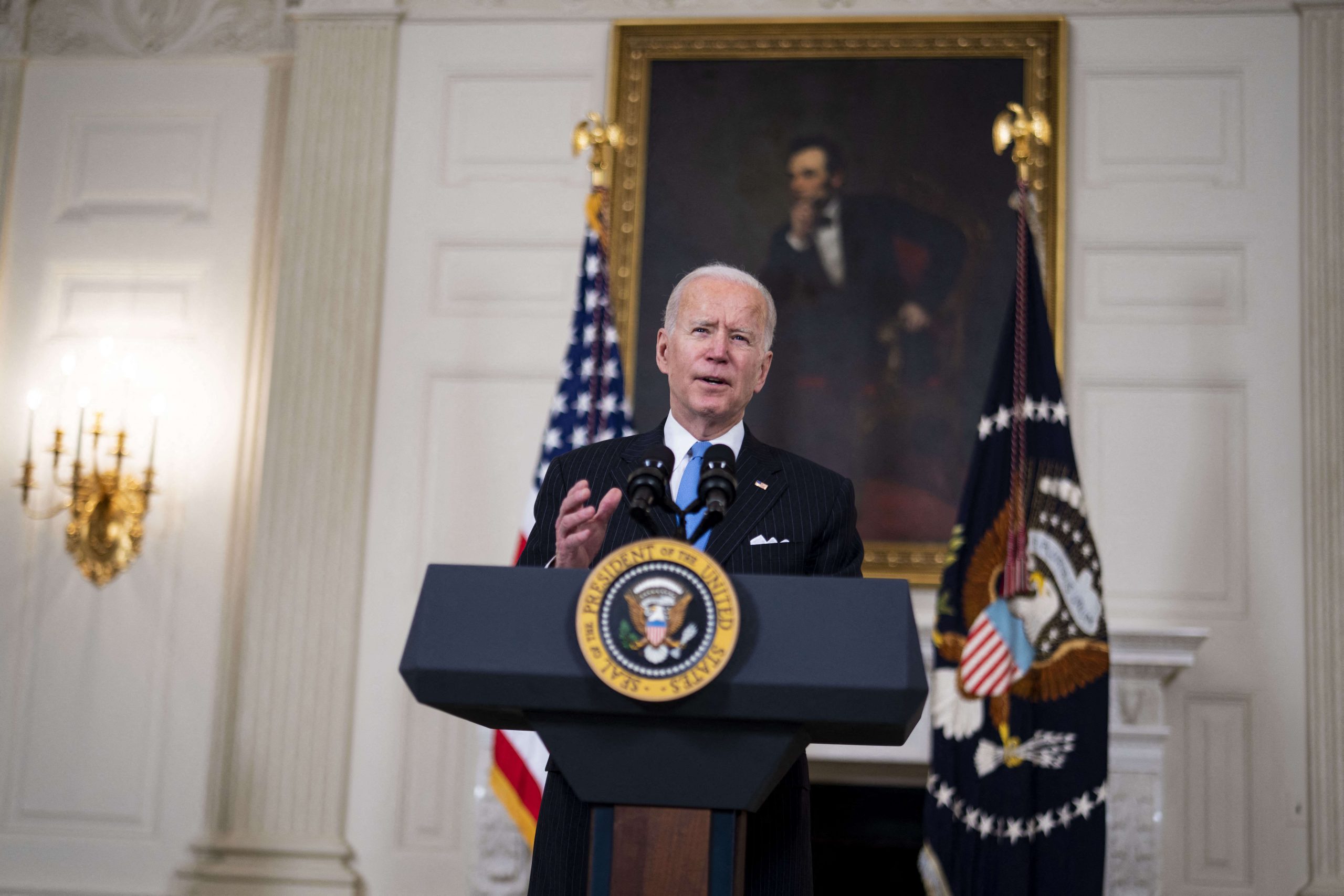
President Joe Biden said Tuesday that the U.S. expects to take delivery of enough coronavirus vaccines for all adults by the end of May, two months earlier than anticipated, as his administration announced that drugmaker Merck & Co. will help produce rival Johnson & Johnson’s newly approved shot.
With the bolstered supply, Biden also announced he would be using the powers of the federal government to direct all states to prioritize vaccinating teachers, and said the federal government would provide the doses directly through its pharmacy program. He challenged states to administer at least one dose of the vaccine to all educators by the end of March as part of his administration’s efforts to reopen more schools across the nation.
“We’re now on track to have enough vaccine supply for every adult in America by the end of May,” said Biden, who likened the partnership between the two drug companies to the spirit of national co-operation during World War II.
Biden’s twin announcements quickly raised expectations for when the nation could safely emerge from the pandemic with the promise of additional vaccines, but it highlighted the looming challenge facing the nation: successfully putting those doses into arms.
Even as he expressed optimism, Biden quickly tempered the outlook for a return to life as it was before the virus hit.
“I’ve been cautioned not to give an answer to that because we don’t know for sure,” Biden said, before saying his hope was sometime before “this time next year.”
Biden’s speech was set against the backdrop of states across the country moving to relax virus-related restrictions. This comes despite the objections of the White House and the nation’s top infectious disease expert, Dr. Anthony Fauci, who have raised alarm about new variants of the virus and pleaded against any relaxation of virus protocols until more Americans are vaccinated. In Texas, GOP Gov. Greg Abbot moved to lift his state’s mask-wearing mandate and a host of other limitations. Michigan’s Democratic Gov. Gretchen Whitmer eased capacity limits on restaurants and both public and residential gatherings.
Fauci has previously said the nation must achieve a vaccination rate of about 80% to reach “herd immunity.” Only about 8% of the population has been fully vaccinated according to the Centers for Disease Control and Prevention, though the pace of vaccination has been increasing, with the U.S. setting a new daily record for injections on both Thursday and Friday of last week.
In hopes of increasing vaccinations even further. the Biden administration told governors to make preparations to administer even more doses in the coming weeks. More shots are also heading toward the federally backed program to administer doses in retail pharmacies, which federal officials believe can double or triple their pace of vaccination. More than 800,000 doses of the J&J vaccine will also be distributed this week to pharmacies, on top of the 2.4 million they are now getting of the Pfizer and Moderna vaccine supply.
Those pharmacies will be key in getting the vaccines into the arms of teachers – particularly in the roughly 20 states where they have not been prioritized for shots – which will help reopen schools to better educate students who have been at risk of falling behind during the pandemic and reduce the burden on parents who have had to choose between childcare and a job.
“Let’s treat in-person learning as the essential service that it is,” Biden said. Teachers will be able to sign up directly through the participating retail pharmacies in their local area, the administration said.
White House press secretary Jen Psaki also announced Tuesday that the federal government was increasing supply of the Moderna and Pfizer vaccines to states next week to 15.2 million doses per week, up from 14.5 million previously. States will also receive 2.8 million doses of the J&J shot this week.
On a call with governors Tuesday, White House coronavirus coordinator Jeff Zients said states should prepare for administering 16-17 million total weekly doses of Pfizer and Moderna vaccines by the end of March, climbing to 17-18 million weekly by early April. The supply of J&J doses to states, expected to dip after the initial shipment this week, will climb to 4-6 million weekly doses by the end of March and 5-6 million doses weekly through the end of April.
Officials have said J&J faced unexpected production issues with its vaccine and produced only 3.9 million doses ahead of its receiving emergency use authorization on Saturday. The company has promised to deliver 100 million doses by the end of June.
Before the approval of the J&J shot, Biden had suggested that it would take until the end of July to have enough vaccine for every adult in the U.S.
Facing questions about the company’s slipping delivery schedule, J&J Vice-President Richard Nettles told lawmakers on Capitol Hill last week that the company had faced “significant challenges” because of its “highly complex” manufacturing process.
The assistance from Merck was expected to help J&J meet its production commitments and expand supply even further, but the administration did not immediately provide specifics. The news was first reported by The Washington Post.
Psaki said that an “across the administration effort” was required to get the two historic rivals to work together on the vaccines, even though conversations between the two companies have been going on for months.
“There’s a difference between conversations and it moving forward,” she said.
The White House said Merck would devote two plants to the production process. One would make the vaccine and the other would handle inserting the vaccine into vials and ensuring strict quality controls. Psaki said the Biden administration was using its powers under the Defence Production Act to help Merck retool to work on the production.
Still it was not immediately clear when the effect of Merck’s assistance would be reflected in supply. Federal officials have cautioned that setting up the highly specialized manufacturing lines to produce vaccines would take months.
Compared to the two-dose versions produced by Moderna and Pfizer, the J&J vaccine is less resource intensive to distribute and administer, making it a critical piece to U.S. plans to spread vaccinations around the world – but only once Americans are inoculated. The J&J vaccine can be stored for months at refrigerated temperatures, rather than frozen, and doesn’t require patients to return for a second dose three or four weeks later.
J&J has set up a global production network that includes brewing bulk vaccine at its Janssen facility in the Netherlands, and with a company in the U.S., Emergent BioSolutions, and another in India, Biological E. Ltd. Other contract manufacturers are lined up to help with later steps, including putting the vaccine into vials, in the U.S., Italy, Spain and South Africa.
In the scramble to create COVID-19 vaccines, the three Western drug makers who’ve dominated the vaccine industry for decades – Merck & Co., Sanofi and GlaxoSmithKline – surprisingly all fell short. Merck halted its own plans to develop a coronavirus vaccine earlier this year, finding that their candidates were generating an inferior immune system response compared with other vaccines. It said it would instead focus its work on developing treatments for COVID-19.
Now, amid the global clamour for more vaccine doses, those heavyweights are helping manufacture doses for less-experienced rivals whose vaccines won the first emergency authorizations from regulators.
Merck has since said it was in talks to help other drug companies with vaccine production, but wouldn’t say Tuesday whether other deals are imminent.
“Merck remains steadfast in our commitment to contribute to the global response to the pandemic and to preparing to address future pandemics,” the Kenilworth, New Jersey-based company said in a statement.
Sanofi Pasteur, named for pioneering French biologist Louis Pasteur, produces more than 1 billion vaccine doses a year and is a leader in pediatric, influenza and polio vaccines. It, too, has had delays with its COVID-19 vaccine candidates. While it tries to resolve those problems, Sanofi has agreed to bottle and package about 125 million doses of the vaccine from Pfizer and German partner BioNTech, as well as roughly 12 million doses per month of J&J’s vaccine.
GlaxoSmithKline, which makes vaccines against shingles, hepatitis, meningitis and many childhood illnesses, has focused its COVID-19 efforts on combining its adjuvant technology with rival companies’ vaccines. Adjuvants boost immune system response to vaccines, meaning smaller doses could be used and supply could be stretched.
–––
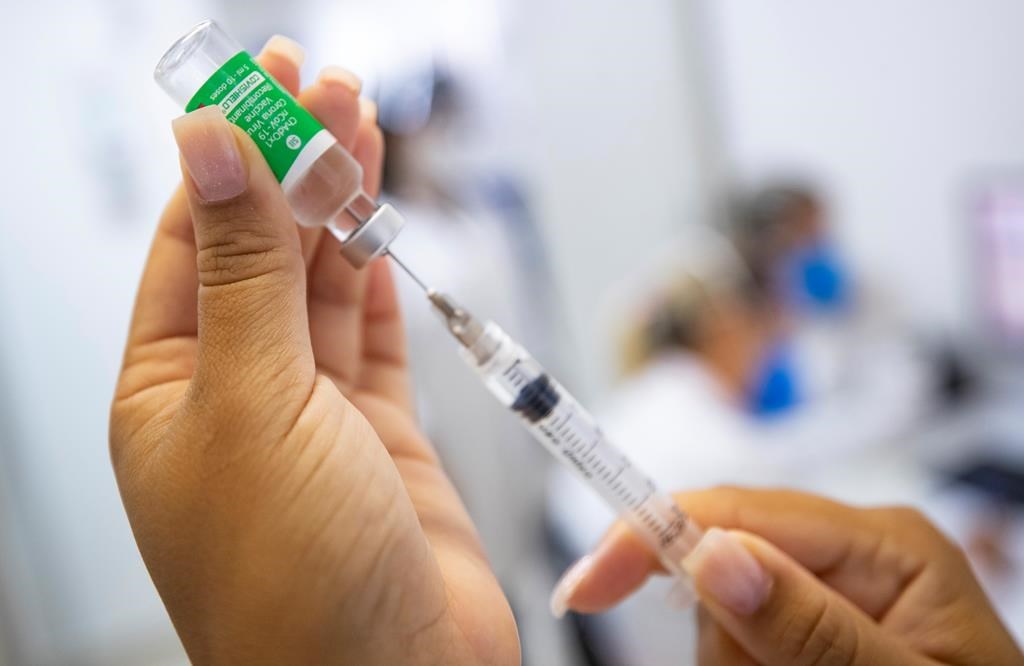
Ontario seniors won’t receive the Oxford-AstraZeneca COVID-19 vaccine since there’s limited data on its effectiveness in older populations, the province said Tuesday, but it remained unclear who those shots would go to.
Health Minister Christine Elliott said Ontario plans to follow the advice of a national panel that has recommended against using the newly approved vaccine on people aged 65 and older. The National Advisory Committee on Immunization has cited concern about limited information on how the vaccine will work in seniors.
Elliott said it’s a “very versatile” vaccine because it doesn’t have the same cold storage requirements as the other two currently in use. The Oxford-AstraZeneca shots might be used in correctional facilities for that reason, she said.
Canada is set to receive a half-million doses of the newly approved vaccine Wednesday, according to the federal procurement minister.
Elliott said an updated vaccination plan that factors in expected Oxford-AstraZeneca supply will be shared soon but the province is first awaiting guidance from the immunization committee about potentially extending the interval of time between first and second doses of the Pfizer-BioNTech and Moderna vaccines to four months.
“There’s a lot that is in the mix right now, but we expect that to be finalized very shortly and we will be making a public announcement of the plan very soon,” Elliott said.
British Columbia announced Monday that it was implementing the four-month interval for doses.
Elliott said the extending the time between doses would make a “considerable” difference in the vaccine rollout, but the government wants to make its decision based on the scientific advice.
NDP Leader Andrea Horwath said the lack of clarity on the government’s vaccine distribution plan is troubling.
“Why isn’t the government being upfront, being clear, being transparent about what the plan is,” she said. “I don’t think the government is providing any of that information and Ontarians deserve to know.”
Ontario reported 966 more COVID-19 cases on Tuesday and 11 more deaths from the virus.
The province reported 22,326 doses of a COVID-19 vaccine administered since the previous day’s report, for a total of 727,021 doses administered across Ontario so far.
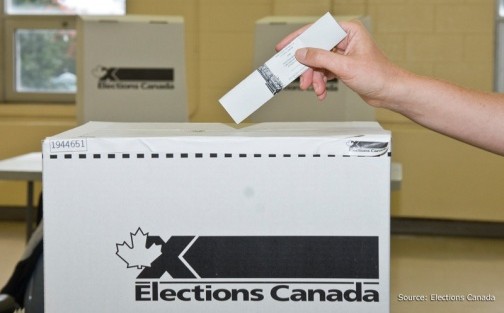
A House of Commons committee is unanimously urging Prime Minister Justin Trudeau to promise he won’t call a federal election while the COVID-19 pandemic rages across Canada.
In a report by the procedure and House affairs committee, even Liberal members supported a recommendation calling for a commitment that there will be no election during the pandemic, unless Trudeau’s minority Liberal government is defeated on a confidence vote.
The committee makes no similar call for opposition parties to promise not to trigger an election during the pandemic by voting non-confidence in the government.
However, NDP Leader Jagmeet Singh has vowed his party won’t vote to bring the government down as long as the country is in the grip of COVID-19.
That should be enough to ensure the survival of the minority Liberal government for the foreseeable future, unless Trudeau decides to trigger an election himself.
Trudeau has repeatedly insisted he has no interest in forcing an election but opposition parties remain suspicious.
“Unfortunately, the Liberal government has already indicated their desire to recklessly send Canadians to the polls at whatever time they deem to be the most advantageous for the prime minister,” the Conservatives say in a supplementary report to the committee’s report.
Indeed, the Conservatives assert, without explanation, that Trudeau has already tried to orchestrate his government’s defeat.
They thank Liberal committee members for taking “a stand against the whims of the prime minister, who has been eagerly pressing towards an election for the last few months.”
At the same time, Conservatives have been pursuing a strategy that could give Trudeau justification for calling an election: They’ve been systematically blocking the government’s legislative agenda, including repeatedly delaying a bill authorizing billions in pandemic-related aid.
They have also blocked debate on a bill that would give Elections Canada special powers to conduct an election safely, if need be, during the pandemic.
Bill C-19 is the government’s response to chief electoral officer Stephane Perrault, who has said special measures are urgent given that a minority government is inherently unstable and could theoretically fall at any time. However, some opposition MPs view the legislation as proof that the Liberals are planning to trigger an election.
In their own supplementary report, New Democrats argue that an election in the midst of the pandemic “has the potential to undermine the health of our democracy.” They point to the current delay in Newfoundland and Labrador’s election due to a COVID outbreak as an example of the “delays, confusion and unforeseen barriers in voting” that could undermine Canadians’ confidence in the outcome of a federal election.
“This raises the spectre of a government whose political legitimacy is openly challenged,” the NDP committee members say, adding that could lead to the kind of crisis that provoked a riot at the U.S. Capitol on Jan. 6 by supporters of former president Donald Trump.
The Capitol riot, sparked by Trump’s unfounded claims that mail-in ballots were fraudulent, appears to have been on the minds of opposition committee members when it comes to other recommendations for how to safely conduct an election, if necessary, during the pandemic.
Anticipating a massive increase in mail-in ballots, the chief electoral officer has, among other things, suggested that mail-in ballots received one day after the close of in-person polls should still be counted.
The Conservatives say the procedure and House affairs committee should have rejected that proposal, arguing that “the election should end on Election Day and Canadians deserve to know the results without delay.”
Bloc Quebecois committee members, in their supplementary report, similarly argue that extending the deadline for receipt of mail-in ballots “would delay the election results, which would fuel voter suspicion and undermine confidence in the electoral system, which is obviously undesirable.”

The Toronto Raptors have ruled out five players for “health and safety protocols” for their game against the Detroit Pistons on Wednesday.
O.G. Anunoby, Fred VanVleet, Pascal Siakam, Patrick McCaw and Malachi Flynn were ruled out for the match-up that was originally slated for Tuesday at Amalie Arena but was postponed due to what the league said was “positive test results and ongoing contact tracing within the Raptors organization.”
Sunday’s game against the Chicago Bulls was also postponed.
Nick Nurse and five members of his staff who were sidelined for Friday’s game against Houston will also be unavailable for Wednesday’s game.
General Manager Bobby Webster said they will likely be out for Thursday’s game as well against the Boston Celtics due to the protocols. It is their last scheduled game until the All Star break.
The Raptors have called up two players from their G-League team the 905.
The NBA cautioned that Wednesday is a tentative rescheduling date for the game against the Pistons, and is “pending additional test results.”
Toronto had managed to largely avoid the global pandemic until now, despite playing their home games out of Florida — a COVID-19 hotbed — due to Canada’s border restrictions and health and safety protocols in Ontario.
The Raptors were one of four remaining teams in the league that hadn’t had a game postponed until Tuesday.
GM Bobby Webster was asked what he’s learned from the team’s first major brush with the virus.
“It’s what you can imagine,” Webster said in a Zoom call with media on Tuesday night. “It’s the emotional stress of having colleagues that potentially, obviously, can be sick. The enormous amount of stress everyone feels, everyone’s walking a bit on eggshells here in the locker room and you can’t necessarily be as friendly.”
“The basketball will go on, we’ll play the games, but just to maintain everybody’s belonging and familiarity is really important.”
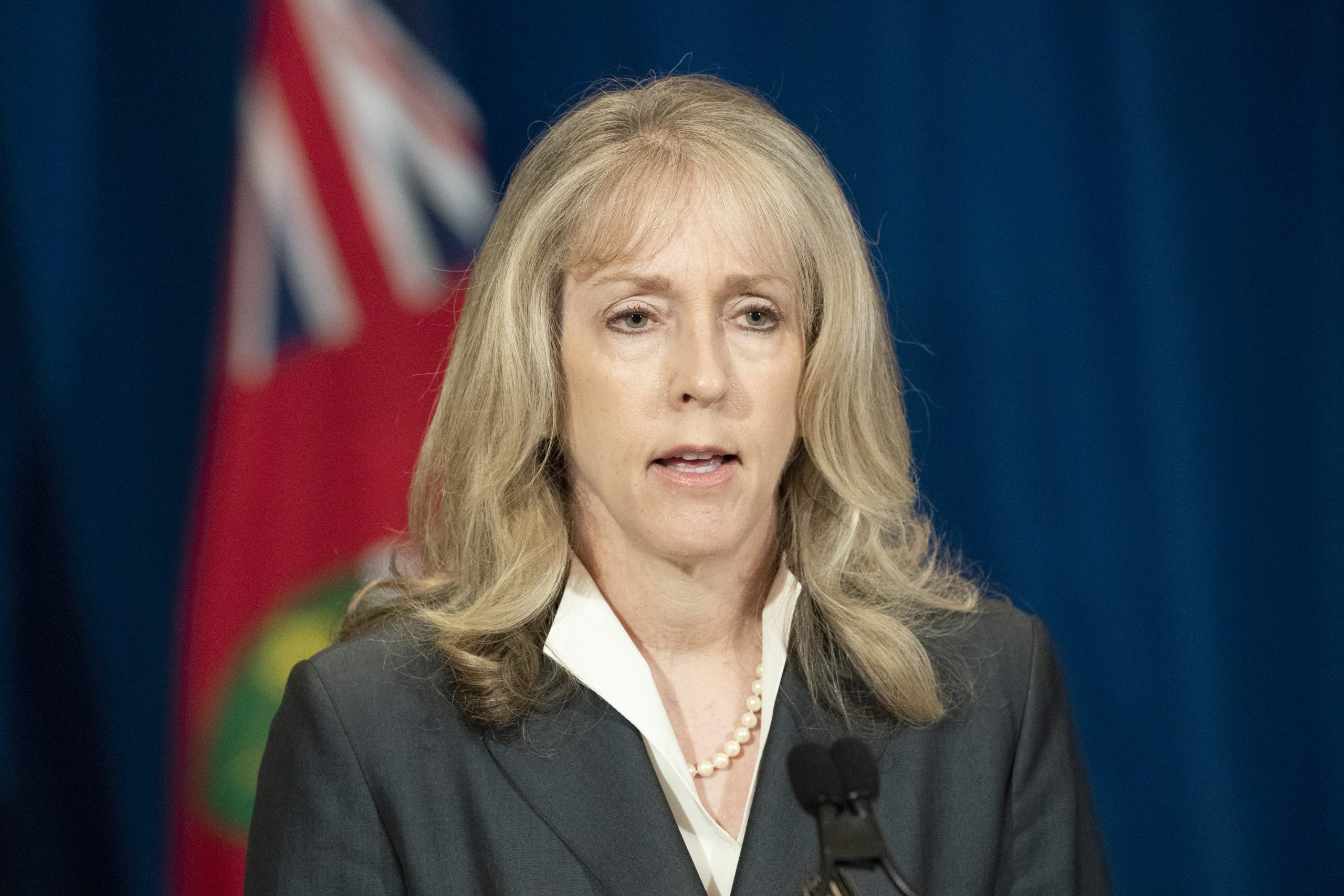
Ontario’s Opposition says the province’s long-term care minister should have spoken out earlier on the risk COVID-19 posed to the province’s nursing homes.
WATCH: https://toronto.citynews.ca/2021/03/01/long-term-care-minister-should-have-gone-public-about-covid-19-concerns-horwath/
NDP Leader Andrea Horwath says Minister Merrilee Fullerton should have made her concerns public when the government said the opposite at the start of the pandemic.
Newly released transcripts show Fulllerton told the province’s long-term care commission that she was aware of the dangers the novel coronavirus posed to the sector long before it was declared a global pandemic.
Fullerton’s told the commission that she and her ministry advocated for stronger measures than what the government was willing to put in place, earlier than they were willing to act.
Fullerton, who is family doctor, says today that she is not a public health specialist and at the time felt it was important to take advice from experts in the field.
Horwath says if Fullerton had spoken up about the situation she could have saved lives.
Fullerton testified before the Long-Term Care COVID-19 Commission last week, with the transcript posted online Sunday night.
“You were ahead of the chief medical officer of health in many respects, from your notes anyway,” John Callaghan, the commission lawyer questioning Fullerton, told her.
For instance, Fullerton’s notes from the time suggest she was concerned about asymptomatic spread of COVID-19 in long-term care homes as early as Feb. 5, 2020. That possibility wasn’t publicly acknowledged by the government until much later.
“I recognize that at times people can overstep, so that was — I needed to listen to the experts and the science and … I was trying to wear my — not my doctor or public health hat, because that’s not the role I had,” she told the commission.
But she noted that her personal history gave her insights into the situation that other politicians may lack.
“I had suspicions early on only _ well, because I’m a family doctor and spent many years dealing with the elderly,” she said. “They may not present with typical symptoms, and so you always have to be watching.”
In other cases, such as the directive for staffers to only work at one long-term care home rather than toggling between facilities, potentially spreading the virus, it was legal issues and questions about whether there would be enough staff to keep the homes running that delayed government action.
COVID-19 has devastated Ontario’s long-term care system, causing the deaths of 3,744 residents and 11 staff members so far.
Fullerton also refused to suggest the risk of COVID-19 was low in a video filmed in early March, the transcript shows.
“I was very concerned about doing a video that would show or tell people that the risk was low, even though that was what health experts and the health leaders in Canada were saying,” she told the commission.
Her notes from the pandemic’s first wave, read out during the interview, also show that she advocated for locking down long-term care homes before the province did so, and was concerned about staff not wearing PPE at all times the week before the province made it mandatory.
Fullerton told the commission she was also advocating for essential caregivers to be allowed back into long-term care homes as early as May.
Such caregivers — usually family members — weren’t allowed back into the facilities until July, and even then, the Ministry of Long-Term Care has said, the rules were being applied inconsistently until adjustments were made in September.
But she said others — particularly Dr. David Williams, the chief medical officer of health — said the risk of essential caregivers bringing COVID-19 into the facilities was too great.
“I was very eager to get caregivers back into the homes, because I believe it was well-being and emotional well-being,” Fullerton said. “However, others understood differently and had their reasons for understanding the risks that they did, and so it was left.”
The transcript also paints a portrait of a nascent ministry thrust into a pandemic before it could gather its bearings.
The Ministry of Long-Term Care was spun off from the Ministry of Health (formerly known as the Ministry of Health and Long-Term Care) mid-2019, and the commission heard it spent much of that year getting set up.
The Ministry of Long-Term Care was spun off from the Ministry of Health in an effort to “put a lens on the long-standing neglect” of the sector, Fullerton said.
But when the pandemic struck, the Ministry of Long-Term Care was still largely dependent on the Ministry of Health, she said, and when it came time to communicate with long-term care homes about the pandemic, the newly formed ministry was being left out.
“Just wondering why Ministry of Health is issuing, reissuing the guidelines without MLTC,” Fullerton wrote in an email early in the pandemic, which was read out during the interview. “I understand MOH is the lead, but MLTC must be part of this communication to our own sector.”
Her chief of staff echoed the sentiment in a separate email dated March 31.
“PPE has been deployed to hospitals and correctional facilities. This was done with LTC partners on the line,” he wrote. “We are too often the forgotten partner.”
The commission is set to present a report on April 30 that will include recommendations aimed at preventing similar outcomes in the future, in addition to two interim reports that have already been released.

Tuesday’s game between the Toronto Raptors and Detroit Pistons has been postponed and tentatively rescheduled for Wednesday night at 7 p.m. ET pending additional test results, the league announced Monday.
The postponement is due to positive test results and ongoing contact tracing within the Raptors organization.
Last Friday, six members of the Raptors’ coaching staff — including head coach Nick Nurse — as well as forward Pascal Siakam entered the league’s health and safety protocols and were unavailable for that night’s game against the Houston Rockets, which nonetheless went ahead as scheduled.
The NBA then opted to postpone Toronto’s following game against the Chicago Bulls, which was set to take place Sunday evening, due to the team not having the required minimum eight players available to participate.
This latest postponement marks the 35th of the regular season thus far, with 31 due to the league’s health and safety protocols.
Toronto only has two games — the one against Detroit and then another against the Boston Celtics slated for March 4 — remaining before the All-Star Break.
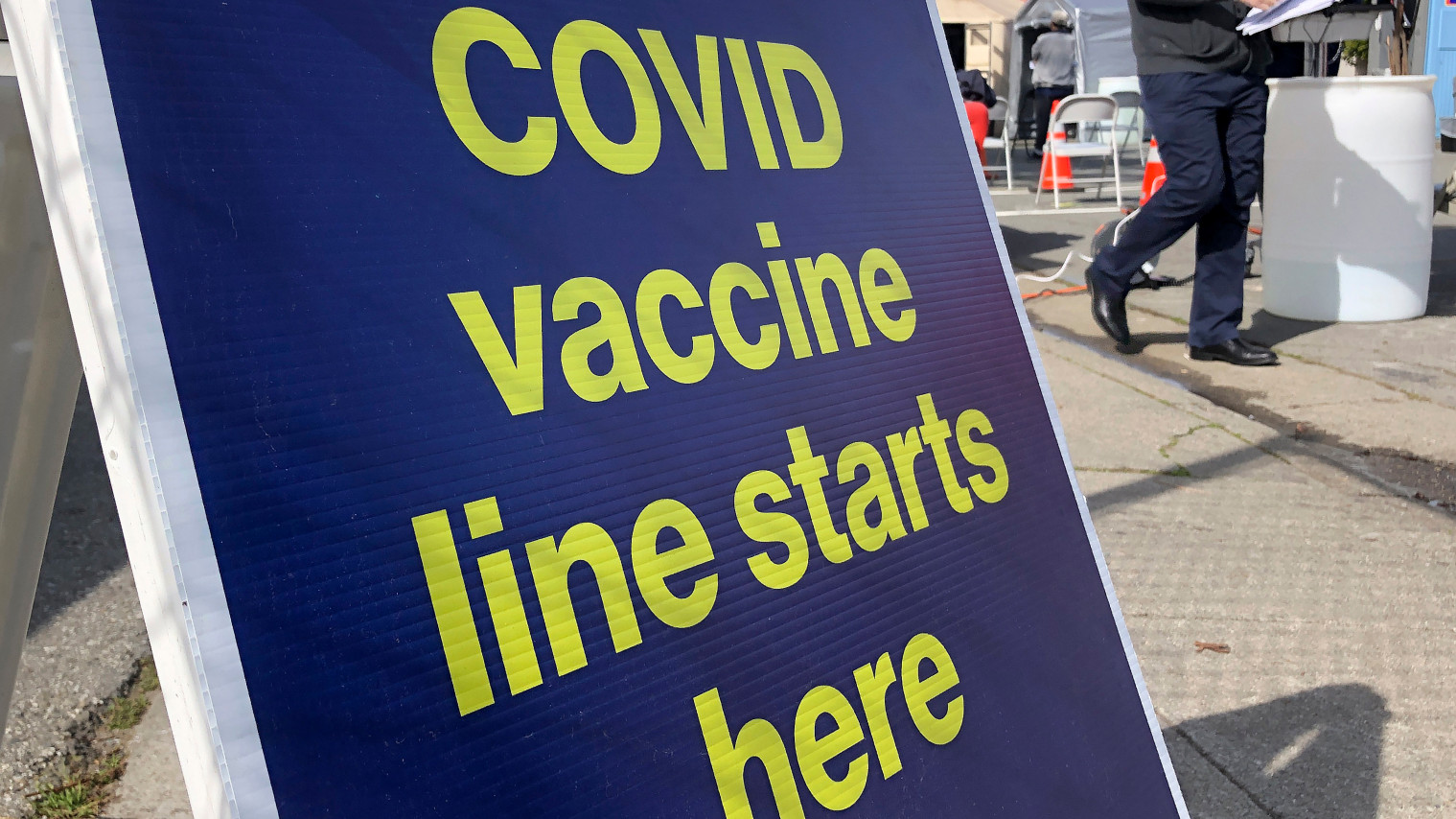
The City of Toronto is rolling out a “neighbourhood ambassador” program to help promote vaccinations in the city.
WATCH: https://toronto.citynews.ca/2021/03/01/neighbourhood-ambassadors-to-promote-vaccination-in-toronto/
Councillor Joe Cressy announced the program in the city’s daily COVID-19 briefing on Monday as part of a “community-based vaccine campaign to support vaccine uptake, to tackle vaccine hesitancy and to engage targeted hard hit communities.”
Cressy said the plan will be the largest community mobilization effort in the city’s history. It aims to aid the goal of reaching herd immunity and vaccinating over 70 per cent of the population by “building trust and ensuring access” to the vaccine.
For the first component of the plan, the city is partnering with local neighbourhood leaders across the city to maximize reach and is bringing on board 280 neighbourhood ambassadors to promote vaccines in their communities.
Cressy said research has long shown that people are more likely to take vaccines “when it’s people they trust who are making the case.”
“Your local priest or your pastor or your rabbi or your imam, your barber, your crossing guard, the kids’ soccer coach — trusted local leaders to help make the case, provide information and help their neighbours access the vaccine — that’s what 280 neighborhood ambassadors will do,” said Cressy.
The second component of the plan involves partnering with 140 community agencies and a number of “anchor agencies” to mobilize vaccines in the neighbourhoods in which they operate.
These will be trusted, local community organizations that will go door-to-door to promote vaccines, “to confront vaccine hesitancy” and help the city identify and organize locations for mobile pop-up vaccination sites, Cressy said.
The third part of the plan involves targeted outreach in communities that have been hit hard by COVID-19.
“When it comes to COVID, we’re not all equal. The data has made this abundantly clear,” said Cressy. “So an effective campaign for vaccines requires tailored approaches to engage different communities.”
To that end, city staff are working with local organizations to create specific campaigns for Toronto’s diverse communities including Indigenous, South Asian and Muslim people, seniors and persons with disabilities. Cressy added that the city’s Black scientist task force is already part of the city’s vaccine plans and is working with and supporting the Black community.
Cressy called the plan the “opposite of a one-size-fits-all vaccine approach.”
“You can think of it almost as an election,” said Cressy. “But in this case we need to win more than 70 per cent of the vote and we need absolutely everyone working together on the ground to get residents to the polls or in this case to the vaccine clinics.”
Cressy said research has long shown that people are more likely to take vaccines “when it’s people they trust who are making the case.”
“Your local priest or your pastor or your rabbi or your imam, your barber, your crossing guard, the kids’ soccer coach — trusted local leaders to help make the case, provide information and help their neighbours access the vaccine — that’s what 280 neighborhood ambassadors will do,” said Cressy.
The second component of the plan involves partnering with 140 community agencies and a number of “anchor agencies” to mobilize vaccines in the neighbourhoods in which they operate.
These will be trusted, local community organizations that will go door-to-door to promote vaccines, “to confront vaccine hesitancy” and help the city identify and organize locations for mobile pop-up vaccination sites, Cressy said.
The third part of the plan involves targeted outreach in communities that have been hit hard by COVID-19.
“When it comes to COVID, we’re not all equal. The data has made this abundantly clear,” said Cressy. “So an effective campaign for vaccines requires tailored approaches to engage different communities.”
To that end, city staff are working with local organizations to create specific campaigns for Toronto’s diverse communities including Indigenous, South Asian and Muslim people, seniors and persons with disabilities. Cressy added that the city’s Black scientist task force is already part of the city’s vaccine plans and is working with and supporting the Black community.
Cressy called the plan the “opposite of a one-size-fits-all vaccine approach.”
“You can think of it almost as an election,” said Cressy. “But in this case we need to win more than 70 per cent of the vote and we need absolutely everyone working together on the ground to get residents to the polls or in this case to the vaccine clinics.”
The program is part of Toronto’s larger vaccine playbook revealed Monday, which includes nine mass vaccinations sites and training 1,400 staff. Other vaccination locations include 49 hospital-operated sites, 46 community health centre sites and 249 pharmacies.
Toronto will not be setting up its own booking system to schedule appointments, but will be using the province’s system instead in order to gather more information on a larger scale.
In terms of prioritization, the province has expanded phase 1 of the rollout to include those experiencing homelessness, who began getting vaccinated this week in Toronto. Those 80 and older have also been included in phase 1, adding over 130,000 to the city’s list and Toronto still has 100,000 healthcare workers waiting to be vaccinated as well.
As has been the case since day one however, the city says much depends on vaccine supply.
“The more free flowing vaccine supply comes the easier it becomes for us to really start addressing needs across the broad range of populations,” said Dr. Eileen de Villa, Toronto’s Medical Officer of Health.
With files from Mark McAllister
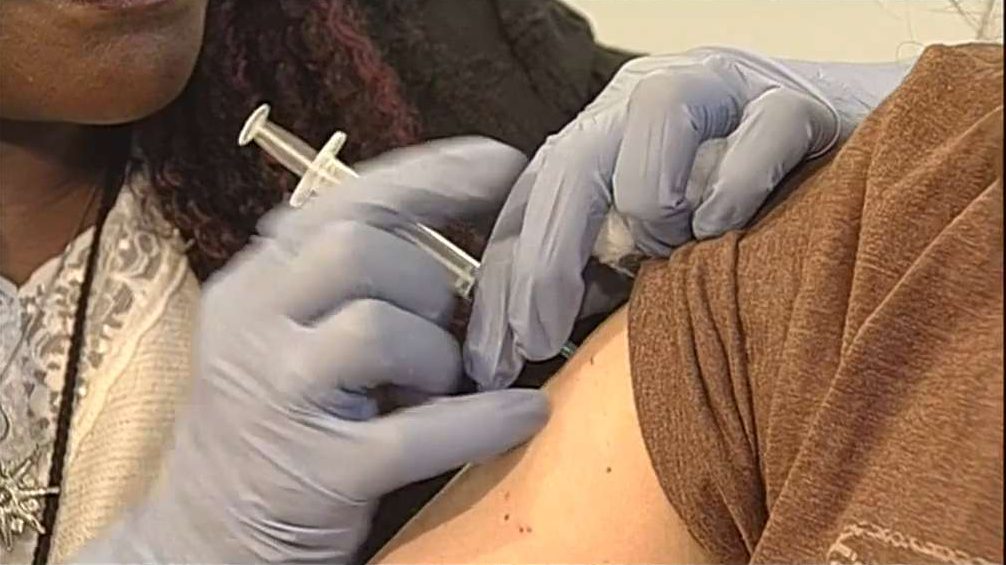
York Region began allowing vaccination appointments to be booked online for residents aged 80 and over on Monday morning, but within hours all appointments were fully booked.
WATCH: https://toronto.citynews.ca/2021/03/01/online-vaccination-appointments-fully-booked-within-hours-york-region/
The online bookings opened at 8:00 a.m., but just after 11 a.m. the region tweeted that no more spots were currently available.
“Future appointments will be available once capacity allows and vaccine supply is available,” York Region tweeted.
“Within the first two hours, approximately 20,000 appointments were booked across the five York Region locations,” Patrick Casey, Director of Corporate Communications for the region explained.
“Residents will be notified when future appointments are available through multiple communication channels, including on york.ca, social media and our media and community partners,” Casey added.
“At this time residents are urged to remain patient and will be notified as more appointment bookings become available.”
Earlier, York Region said high traffic was causing its online booking portal to operate “slower than usual.”
Breakfast Television’s Melanie Ng was unable to connect to the site at all, after it appeared to crash under heavy traffic.
York’s chief medical officer of health, Dr. Karim Kurji, said that delays were inevitable as people rushed to book appointments.
“We do expect that there will be quite a demand, particularly on the initial day. We hope that you won’t have to wait [more than] a few days in the meantime,” said Kurji.
In a news release, Monday evening, York region health said they are currently supplied with the Pfizer vaccine.
“York Region Public Health and our three hospital partners have been confirmed to receive 9,360 doses of Pfizer vaccine each week for the next two weeks; each of the four partners will share doses equally; we do not have confirmation on delivery of either Moderna and AstraZeneca vaccine at this time,” they said.

The Toronto Raptors game scheduled for Sunday night against the Chicago Bulls in Tampa has been postponed due to the NBA’s “health and safety protocols.”
WATCH: https://toronto.citynews.ca/2021/02/28/toronto-raptors-game-against-chicago-postponed-due-to-covid-19/
“Because of positive test results and ongoing contact tracing within the Raptors, the team will not have the league-required eight available players to proceed with the scheduled game against the Bulls,” read a brief statement by the NBA.
The Raptors were missing head coach Nick Nurse, five members of his staff and star forward Pascal Siakam for Friday’s win over Houston due to the league’s COVID protocols.
The Raptors used 12 players on Friday and had 14 listed as available to play that night. For Sunday’s game, Siakam was the only player who had been listed on Saturday’s injury report as out because of health and safety protocols – which indicates that results that came back on Saturday either showed more problems, or the contact tracing investigations showed that players had been exposed to someone who tested positive for COVID-19 and may have to quarantine.
General manager Bobby Webster would not confirm Friday if any of the coaching staff members or players had tested positive for COVID-19, citing privacy concerns.
Toronto were one of four teams that hadn’t had a postponement this season.
Toronto is scheduled to play two more games this week ahead of the All-Star break. The status of games against Detroit on Tuesday and Boston on Thursday have yet to be determined.
This is the 30th NBA game to be postponed so far this season because of COVID-19 testing or contact tracing.
Files from The Canadian Press were used in this report

NEW YORK — With homebound nominees appearing by remote video and hosts Tina Fey and Amy Poehler on different sides of the country, a very socially distanced 78th Golden Globe Awards trudged on in the midst of the pandemic and a storm of criticism.
“Schitt’s Creek,” which had gone unnominated in the top category every previous season at the Globes, won best comedy series for its final season. The show’s Catherine O’Hara also took best actress in a comedy series. They were among many of the evening’s awards to go to streaming services, which — facing scant traditional studio competition — dominated the Globes like never before.
Fey took the stage at New York’s Rainbow Room while Poehler remained at the Globes’ usual home at the Beverly Hilton. In their opening remarks, they managed their typically well-timed back-and-forth despite being almost 3,000 miles from each other.
“I always knew my career would end with me wandering around the Rainbow Room pretending to talk to Amy,” said Fey. “I just thought it would be later.”
They appeared before masked attendees but no stars. Instead, the sparse tables — where Hollywood royalty are usually crammed together and plied with alcohol during the show — were occupied by “smoking-hot first responders and essential workers,” as Fey said.
In a production nightmare but one that’s become familiar during the pandemic, the night’s first winner accepted his award while muted. Only after presenter Laura Dern apologized for the technical difficulties did Daniel Kaluuya, who won best supporting actor for his performance as Black Panther leader Fred Hampton in “Judas and the Black Messiah,” get his speech in. When he finally came through, he waged his finger at the camera and said, “You’re doing me dirty!”
Pandemic improvising was only part of the damage control for the Hollywood Foreign Press Association, which puts on the Globes. After The Los Angeles Times revealed that there are no Black members in the 87-person voting body of the HFPA, the press association — which Ricky Gervais last year called “very, very racist” in his opening monologue — came under mounting pressure to overhaul itself and better reflect the industry it holds sway in.
This year, none of the most acclaimed Black-led films — “Ma Rainey’s Black Bottom,” “One Night in Miami,” “Judas and the Black Messiah,” “Da 5 Bloods” — were nominated for the Globes’ best picture award. With the HFPA potentially fighting for its Hollywood life, Sunday’s Globes were part apology tour. Fey and Poehler started in quickly on the issue.
“Look, a lot of flashy garbage got nominated but that happens,” said Poehler. “That’s like their thing. But a number of Black actors and Black-led projects were overlooked.”
Within the first half hour of the NBC telecast, members of the press association also appeared on stage to pledge change. “We recognize we have our own work to do,” said vice-president Helen Hoehne. “We must have Black journalists in our organization.”
The show, postponed two months from its usual early-January perch, promised little of the glamour that makes the Globes one of the frothiest and glitziest events of the year. Due to the pandemic, there was no parade of stars down the red carpet outside the Beverly Hilton.
When attendees would normally be streaming down the red carpet on Sunday evening, many stars were instead posing virtually. Regina King, resplendent in a dazzling dress, stood before her yawning dog. Carey Mulligan, nominated for “Promising Young Woman,” said from a London hotel room that she was wearing heels for the first time in more than a year.
The circumstances led to some award-show anomalies. Mark Ruffalo, appearing remotely, won best actor in a limited series for “I Know This Much Is True” with his kids celebrating behind him and his wife, Sunrise Coigney, sitting alongside. John Boyega, supporting actor winner for his performance in Steve McQueen’s “Small Axe” anthology, raised his leg to show he was wearing track pants below his more elegant white jacket. Bob Odenkirk, while appearing on five screens with fellow TV actor nominees before an ad break, took the moment to meet a legend, virtually. “Mr. Pacino, very good to meet you … on the screen,” he said. (The award went to Josh O’Connor for “The Crown.”)
Some speeches were pre-taped. The previously recorded speeches by Jon Batiste, Trent Reznor and Atticus Ross for the wining “Soul” score went without hiccup even though presenter Tracy Morgan first announced “Sal” as the winner.
Other awards included Pixar’s “Soul” for best animated film; Rosumund Pike took best actress in a comedy or musical film for “I Care a Lot”; and Aaron Sorkin (“Trial of the Chicago 7”) for best screenplay. The film, a favourite to win best drama film at the Globes, was sold to Netflix by Paramount Pictures last summer due to the pandemic. “Netflix saved our lives,” said Sorkin.
As showtime neared, the backlash over the HFPA threatened to overwhelm the Globes. Yet the Globes have persisted because of their popularity (the show ranks as the third most-watched award show, after the Oscars and Grammys), their profitability (NBC paid $60 million for broadcast rights in 2018) and because they serve as important marketing material for contending films and Oscar hopefuls. That may be especially true this year when the pandemic has upset the normal rhythms of buzz in a virtual awards season lacking the usual frenzy.
The Globes are happening on the original date of the Academy Awards, which are instead to be held April 25.
Netflix comes in with a commanding 42 nominations, including a leading six nods for David Fincher’s “Mank” and “The Crown” also topping TV nominees with six nods. Aaron Sorkin’s “The Trial of the Chicago 7,” also from Netflix, is also a heavyweight with five nominations.